
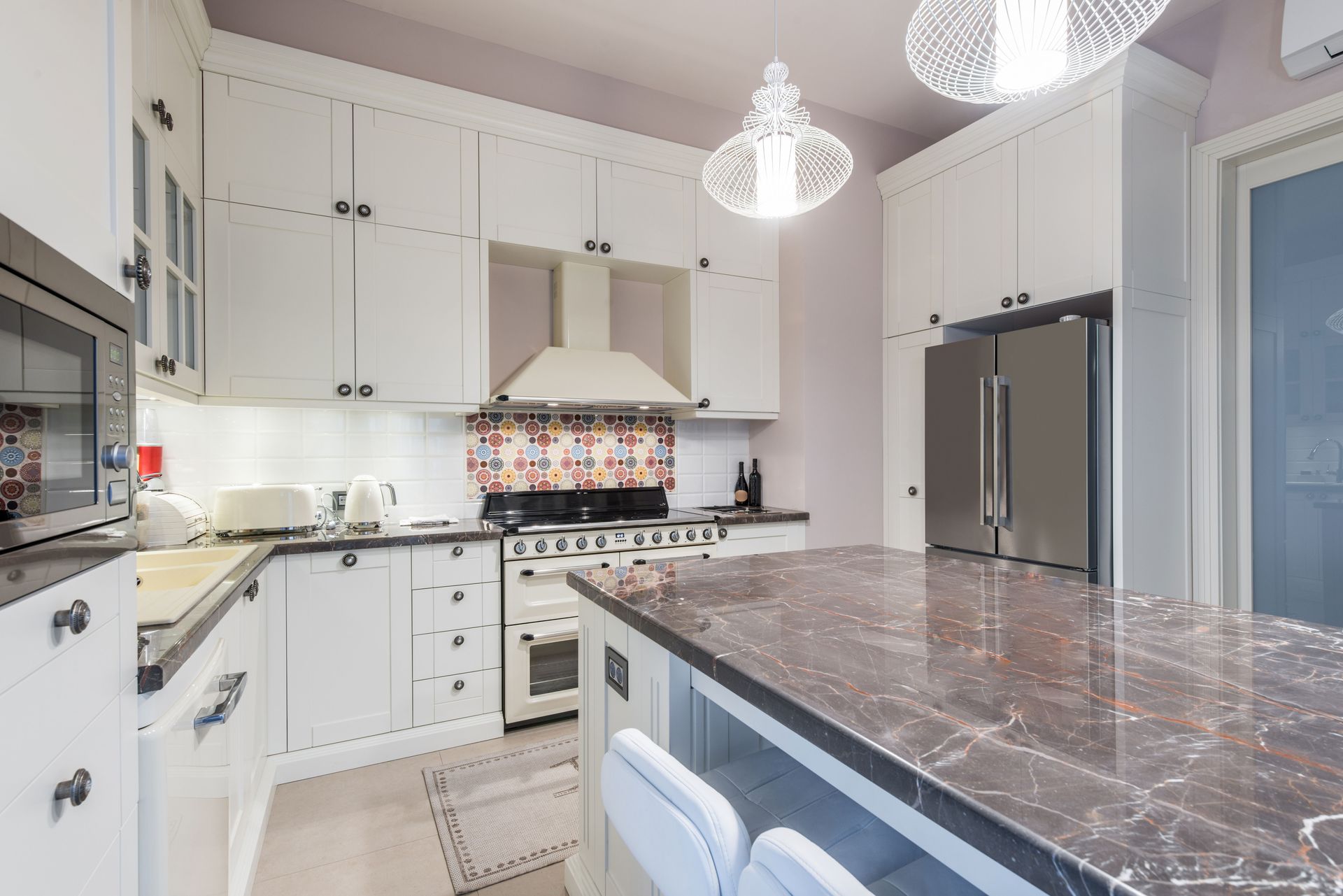
Discover how a durable countertop protects your kitchen and bath from daily wear and tear. Read our full article to choose the best material for your home.
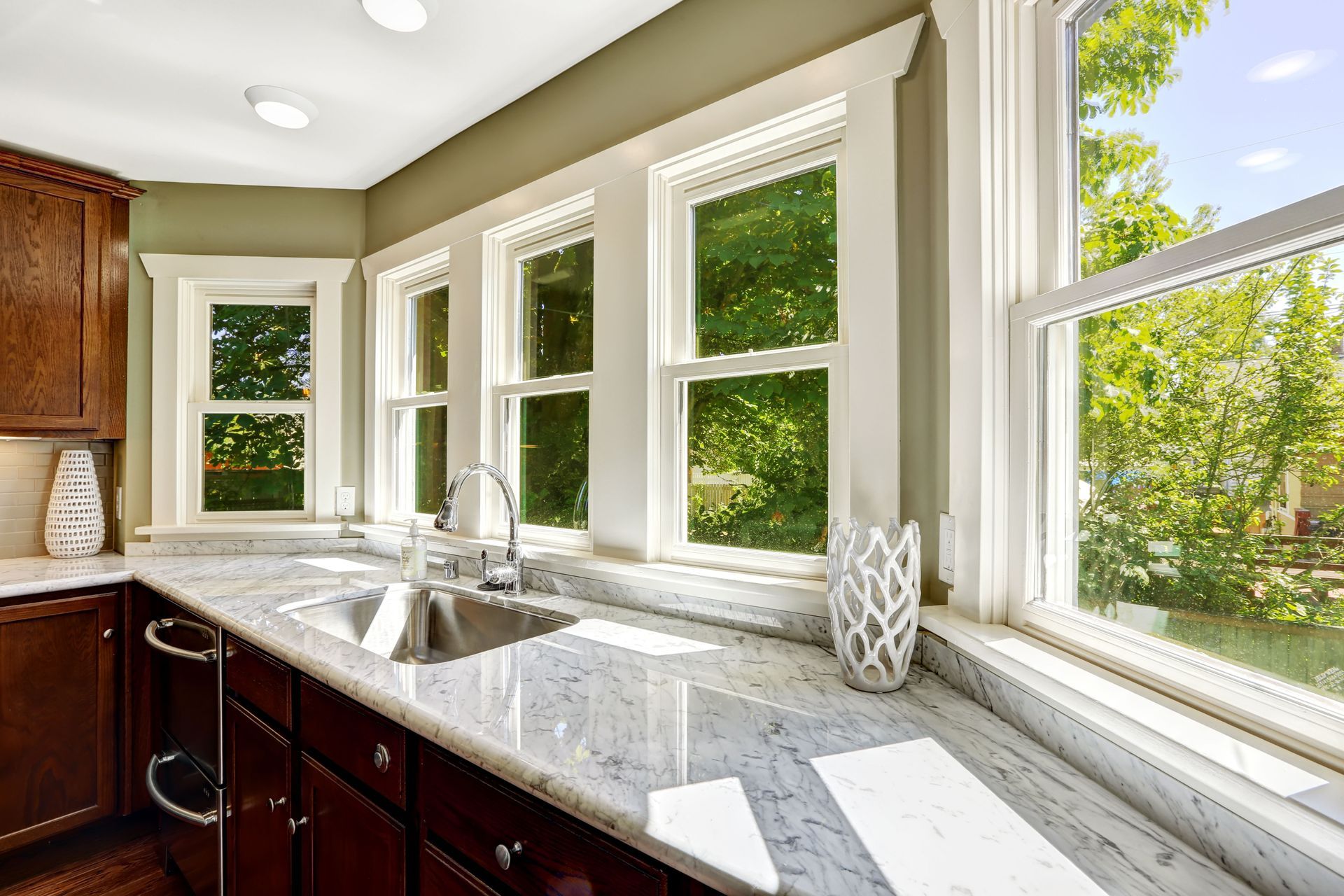
MGL Granite Inc provides professional countertop services, from material selection to precise installation. Contact us today to upgrade your space.
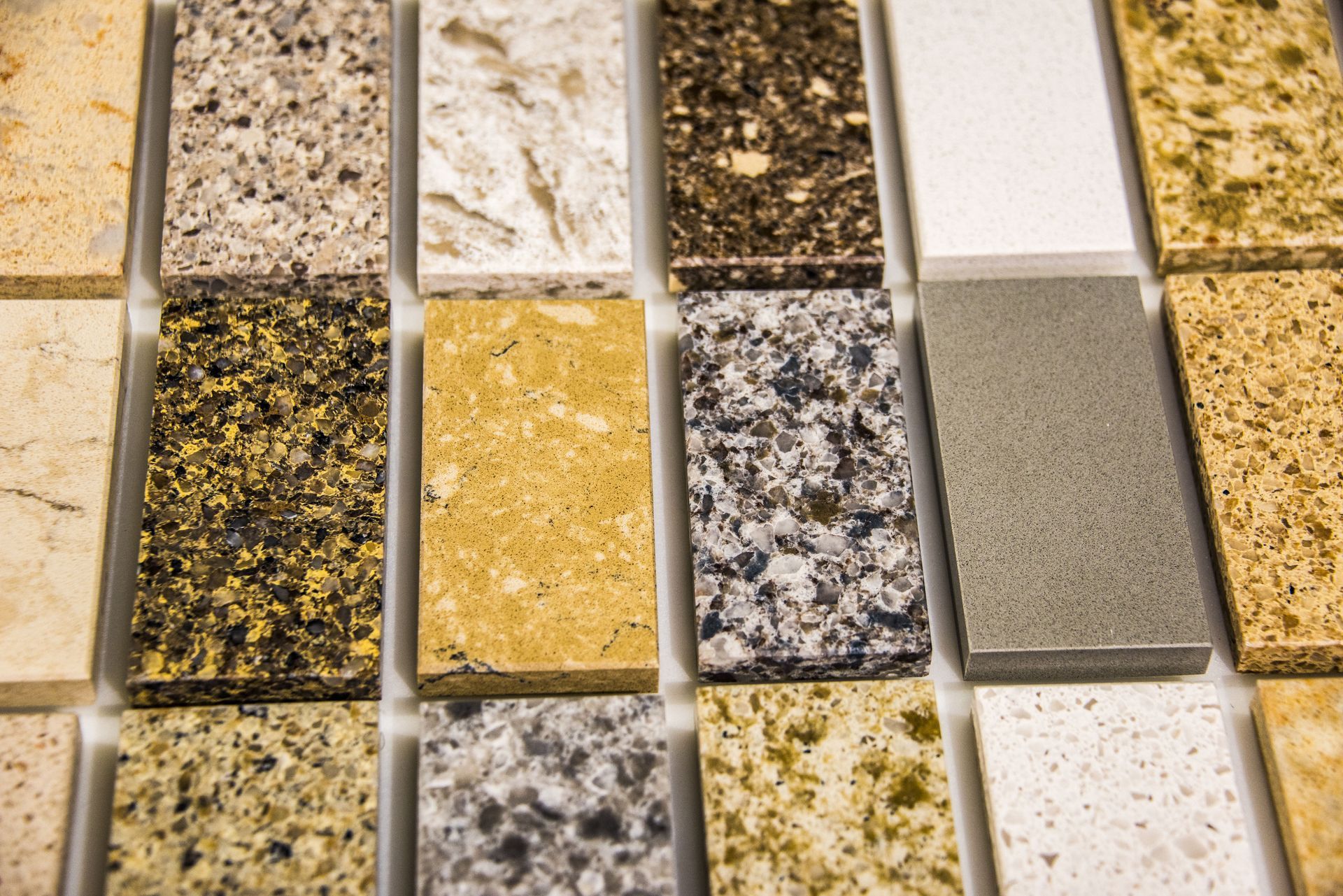
Learn how marble, granite, and quartz perform in daily use. Discover which countertop material best fits your kitchen's durability and maintenance needs.
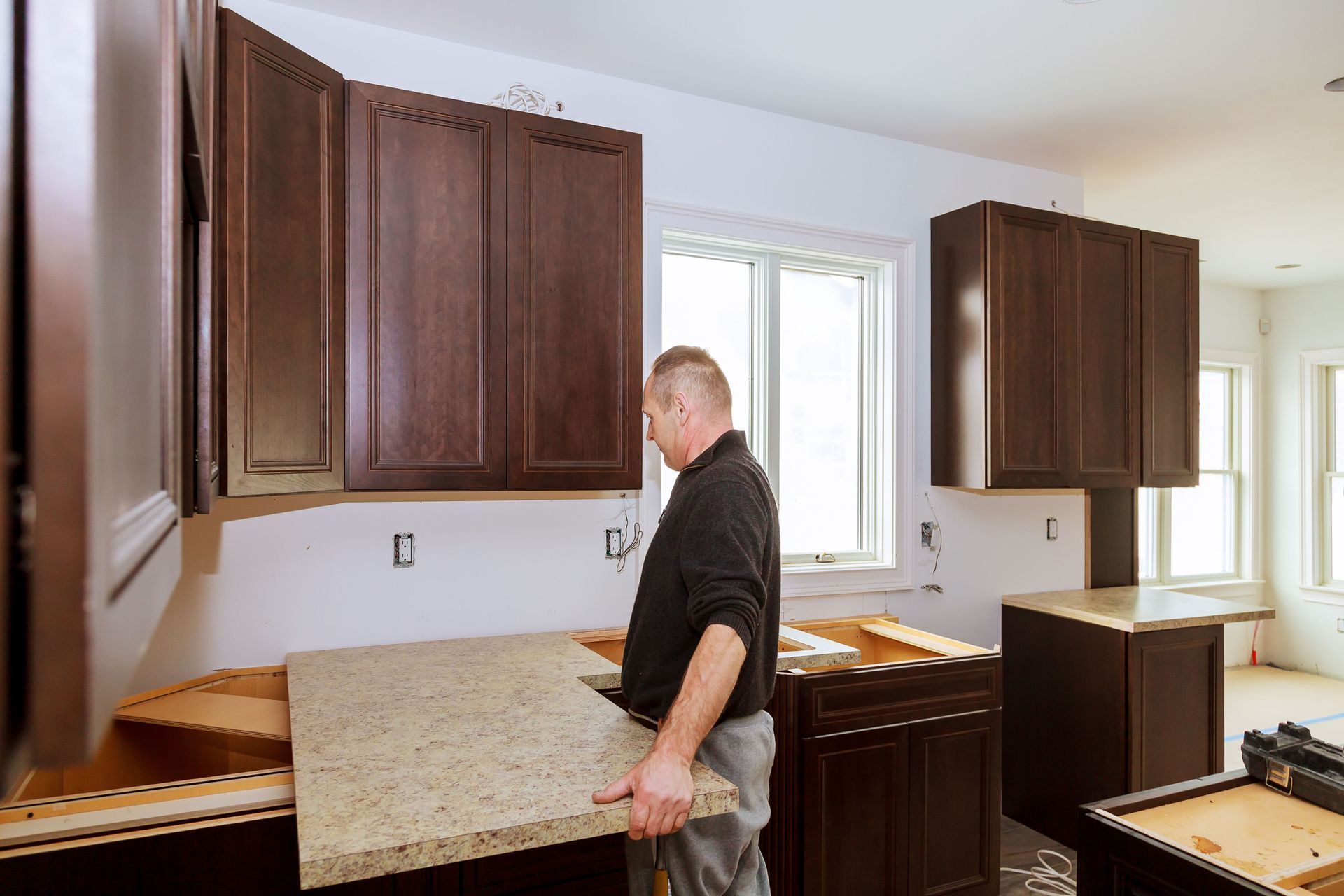
Elevate your kitchen design. Discover top countertop materials for your budget and lifestyle, plus tips for countertop installation.
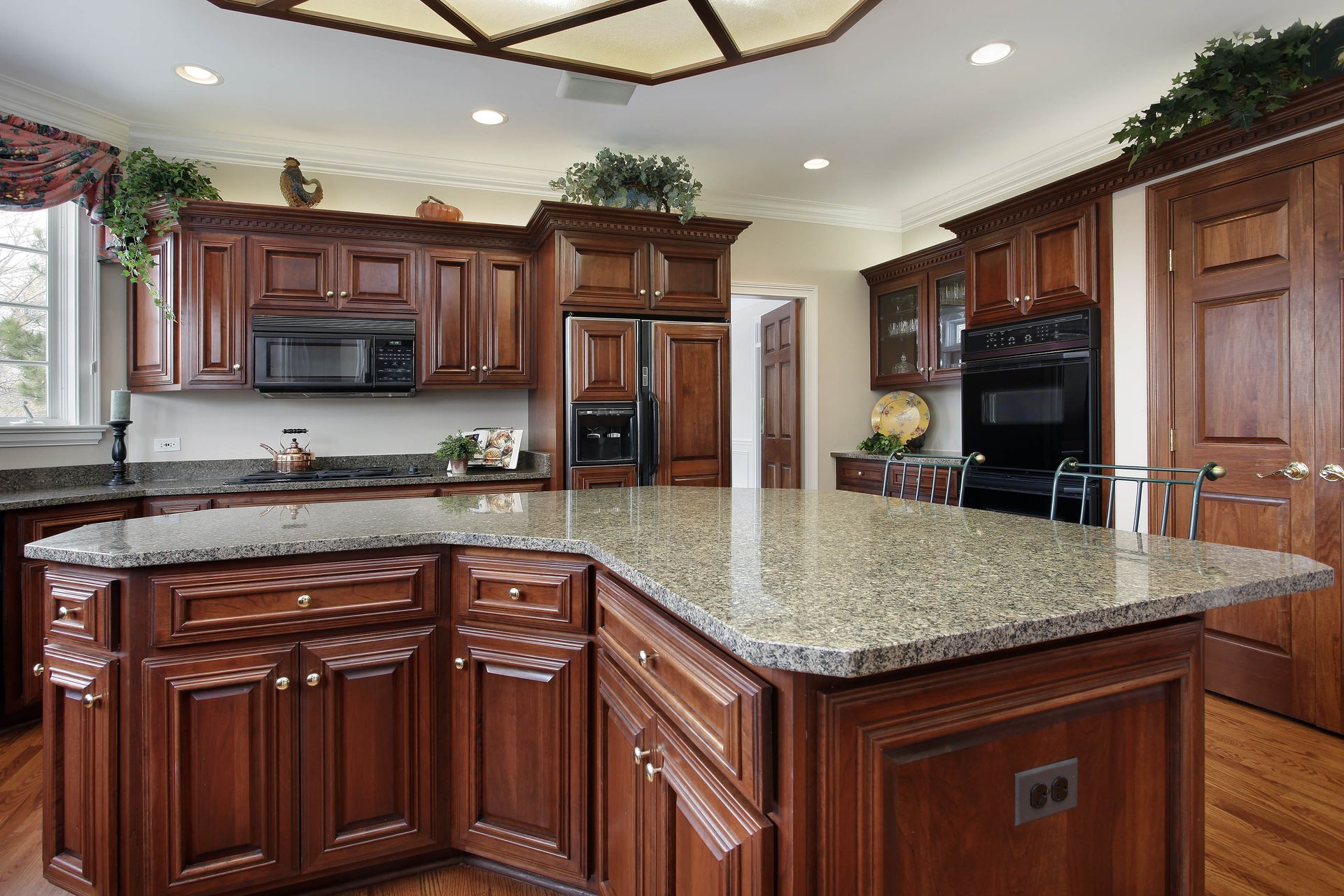
If you're deciding on what material works best for your countertops, you'll benefit from keeping in touch with experts like the ones at MGL Granite Inc.
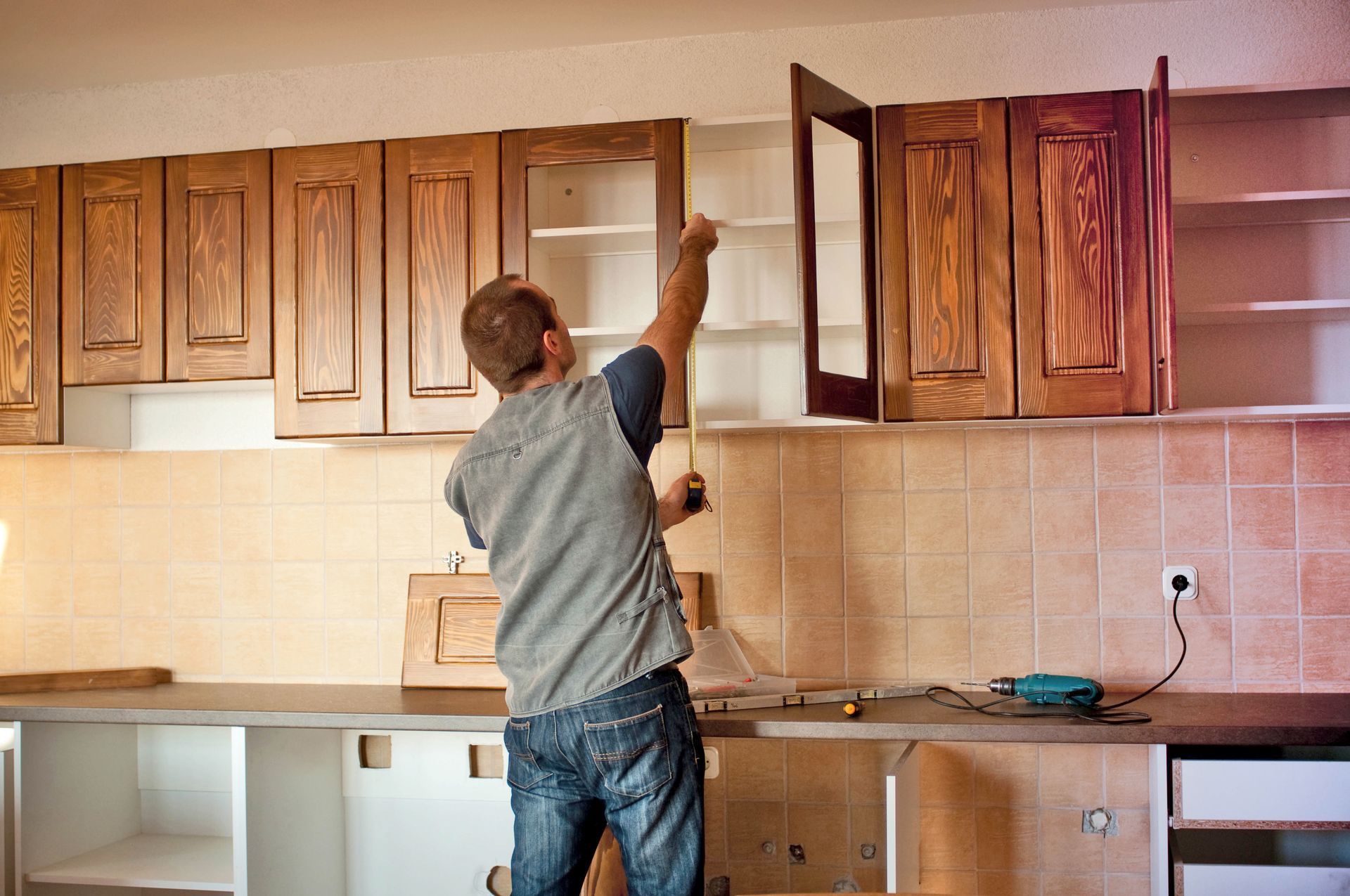
Learn how leading cabinet companies protect wood from moisture and wear. Trust MGL Granite Inc for professional upgrades and styling advice.
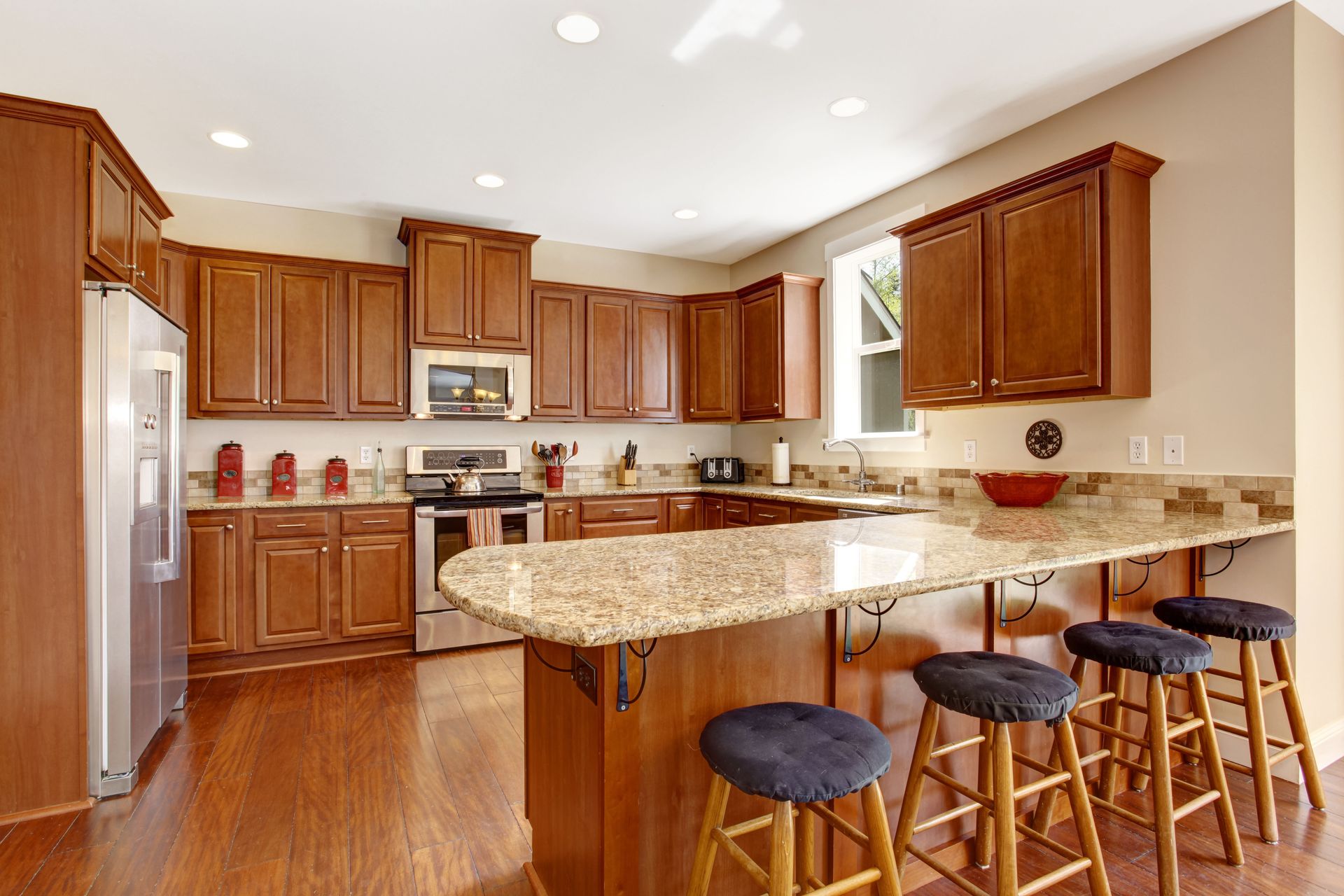
Explore the top kitchen design trends of 2026! From eco-friendly styles to smart tech, upgrade your entire space with premium countertops from MGL Granite Inc.

In the fast-paced world of construction and remodeling, contractors need partners they can rely on—suppliers who deliver quality, consistency, and expert service. MGL Granite, a family-owned stone fabricator and installer serving the Hampton Roads area for over 15 years, has become the go-to partner for contractors looking to exceed client expectations. From custom granite countertops to luxurious quartz surfaces, we help professionals deliver projects that stand out. A True Partner for Contractors Contractors know that every project depends on precision, timing, and reliability. MGL Granite works closely with contractors to make sure every step—from measurement to installation—is seamless. We provide: Accurate On-Site Measurements – Our professional measuring team ensures every slab fits perfectly, saving contractors time and costly adjustments. Expert Fabrication – Using cutting-edge equipment, we craft each piece with precision, whether it’s a standard countertop or a complex custom design. Flexible Scheduling & Installation – We coordinate with contractors to match their project timelines, ensuring installations happen on time. Premium Materials That Impress Our selection of high-quality stone allows contractors to deliver on their clients’ vision while ensuring durability and beauty. Popular choices include: Granite – Timeless, resilient, and ideal for kitchens, bathrooms, and commercial spaces. Quartz – Engineered for low maintenance and consistent patterns, perfect for modern designs. Custom Colors & Designs – Unique slabs and patterns for high-end residential and commercial projects. Whether your client wants classic elegance or a bold statement, MGL Granite has the materials to make it happen. Contractor-Focused Support & Communication We understand the challenges contractors face when coordinating multiple trades and suppliers. That’s why we offer: Clear, responsive communication for project updates Guidance on slab selection and design considerations Solutions to challenges like intricate layouts or custom cutouts By working closely with contractors, we reduce stress, prevent delays, and ensure every project meets the highest standards. Custom Solutions for Every Project No two projects are the same. Our team is experienced in handling: Complex Countertop Layouts – Waterfall edges, multi-level islands, and intricate designs. Integrated Features – Undermount sinks, custom cutouts, and special accessories. Polished & Honed Finishes – Options that complement any design aesthetic. Our goal is to help contractors deliver projects that wow clients and enhance their own reputation for excellence. Locations Serving Hampton Roads Contractors MGL Granite is conveniently located to serve contractors across Hampton Roads: Hampton Showroom & Fabrication Facility – 50 Voyager Dr, Hampton, VA 23666 | Phone: 757-522-0387 Norfolk Showroom & Fabrication Facility – 1135 Lance Rd, Norfolk, VA 23502 | Phone: 804-878-0986 Contractors are welcome to visit our showrooms, view slabs, and discuss project needs directly with our team. Why Contractors Keep Coming Back Contractors continue to choose MGL Granite because we deliver consistent quality, professional service, and solutions that save time and reduce headaches. Partnering with us means: Fewer errors, thanks to accurate measurements and expert fabrication Faster project completion, thanks to coordinated scheduling and reliable installations Happier clients, thanks to premium materials and flawless results Ready to Partner With MGL Granite? If you’re a contractor in Hampton Roads looking for a stone supplier you can trust, MGL Granite is ready to help you deliver outstanding results. Contact us today at 757-522-0387 (Hampton) or 804-878-0986 (Norfolk) to discuss your next project, schedule a slab viewing, or set up a measurement appointment. Let’s work together to create countertops that impress—every single time.

Quartz vs. Stainless Steel Undermount Sinks: Which One Is Right for Your Kitchen?

Marble has long been admired for its beauty, making it a popular choice for countertops and vanities in both kitchens and bathrooms. From its timeless appeal to its unique patterns, marble adds an elegant touch to any space. But have you ever wondered how this stunning stone forms? Let’s explore the geological journey of marble and its role in creating beautiful surfaces. What is Marble? Marble is a metamorphic rock that forms when limestone undergoes a transformation process under heat and pressure deep within the Earth’s crust. Over millions of years, this change alters the composition of limestone, resulting in a denser, crystalline stone with unique patterns and colors. The final product, marble, is often celebrated for its aesthetic qualities, making it a preferred material for interior design, especially in kitchens and bathrooms. The Journey from Limestone to Marble The Precursor: Limestone Marble begins as limestone, a sedimentary rock primarily composed of calcium carbonate (CaCO₃). Over millions of years, limestone forms from the accumulation of marine organisms, like shells and corals, as well as from the precipitation of minerals from water. While limestone itself is beautiful, it is softer and more porous compared to marble. Heat and Pressure: The Metamorphic Transformation As limestone is buried deep within the Earth due to tectonic plate movements, it is subjected to high pressure and temperature. These conditions cause the calcium carbonate crystals in the limestone to recrystallize. The result is marble—denser and more compact than its limestone predecessor. The stone’s texture and structure are transformed, creating the unique crystalline appearance that marble is known for. The Role of Impurities One of the defining features of marble is its distinctive veining and color variations. These patterns are a result of impurities in the original limestone. As the limestone undergoes metamorphism, minerals such as iron, clay, and sand mix with the calcium carbonate, creating different colors and patterns. For example, the presence of iron may give the marble a reddish or brownish hue, while other minerals can contribute shades of gray, green, or black veining throughout the stone. Time and Earth's Forces Over millions of years, geological processes like tectonic shifts and erosion can bring marble closer to the Earth’s surface. Once exposed, it can be mined and processed into slabs, tiles, and other shapes to be used in various applications, including countertops and vanities. The marble’s natural beauty, shaped by its long journey, becomes a defining feature of any space. Why Marble is a Popular Choice for Countertops and Vanities Aesthetic Appeal Marble’s most striking feature is its unique appearance. Each piece of marble has its own distinct veining, color, and pattern, making it a highly sought-after material for countertops and vanities. Whether it’s the classic white of Carrara marble or the dramatic veining of dark-colored varieties, marble adds elegance and sophistication to any room. Timeless Elegance Marble has a long history, having been used in ancient architecture, sculptures, and monuments. Its timeless elegance makes it a perfect addition to both modern and traditional home designs. Whether you’re creating a sleek, contemporary kitchen or a luxurious, classic bathroom, marble complements a wide variety of styles. Variety of Options One of the benefits of marble is its wide range of color and pattern variations. From soft, neutral tones to bold, dramatic veins, there is a marble variety to suit any taste. Popular marble varieties for countertops include Carrara, Calacatta, Statuario, and Emperador, each with its unique characteristics and beauty. Conclusion The formation of marble is a fascinating natural process that takes millions of years, from the transformation of limestone under heat and pressure to the final crystallization that gives the stone its iconic look. Whether you’re using it in a countertop, vanity, or other design element, marble’s beauty, with its one-of-a-kind patterns and colors, will continue to be a favorite in interior design. With proper care, marble surfaces can last for many years, providing timeless elegance to any space.